Eco-Sourced Firewood
When picking high-quality firewood for homes and businesses, select hardwoods like hickory, oak, and maple. These timber options provide extended burn times and generate more intense heat, and minimize the frequency of refueling because of their compact structure. Ensure the moisture content remains under 20% for effective performance and reduced smoke production. When looking at eco-friendly options, prioritize sustainably sourced hardwoods. By adhering to these guidelines, you'll discover firewood that optimizes efficiency and environmental responsibility-discover essential insights ahead.
Key Takeaways
- Hardwood species including maple and oak are top-rated for their impressive heat output and lengthy combustion period.
- Choose well-seasoned firewood maintaining moisture readings below 20% for better burning.
- Opt for hardwood types instead of softwoods to decrease smoke production and creosote buildup.
- Source eco-friendly firewood to guarantee environmentally conscious wood consumption.
- Sourcing firewood locally lowers the environmental footprint and delivery costs.
What to Look for When Choosing Firewood
When selecting firewood, recognizing important aspects can significantly affect your burning performance and total contentment. To begin, assess the water content of the wood. For best results, it should be under 20% to ensure effective burning and decreased smoke production. High moisture content results in inefficient combustion, creating creosote buildup in chimneys and higher pollution.
Let's discuss the wood species. Different species have varying burning properties and heat production. Hardwoods typically offer a higher heat output and longer burn time, making them the best choice for steady warmth. On the other hand, softwoods light more quickly and work well for kindling. Consider your requirements and storage space when picking the best wood variety. By paying attention to proper wood selection and moisture content, you'll get better results from your firewood.
Hardwood vs. Softwood: Which Is Best?
Selecting the ideal type of wood will significantly improve your heating experience. Hardwood provides superior benefits, making it an optimal choice for many. It lasts longer and delivers more heat, due to its dense composition. You'll find hardwoods like maple and oak especially efficient, as they create less smoke and creosote, minimizing maintenance on stoves and chimneys. In contrast, softwoods, like fir or pine, have notable drawbacks. They burn faster and create more smoke, resulting in increased creosote buildup, which can be a fire hazard. While softwoods are easier to ignite, they aren't ideal for sustained heat. Evaluate your specific needs and compare the hardwood benefits against softwood drawbacks to select the ideal option for your home or business.
Top Firewood Choices for Home Heating
When it comes to optimize your home heating efficiency, picking the right firewood is critical. Opt for hardwoods like maple, hickory, and oak, which provide high burning efficiency due to their dense structure. These woods last longer and generate more warmth compared to softwoods. Factor in the seasonal availability of your selected firewood. Oak, for instance, is easily accessible in many regions, making it a solid selection throughout the cold season. Ensure your firewood is properly seasoned, with a moisture content below 20%, to improve burn performance and reduce creosote buildup. Stay away from green or freshly cut wood, as it provides inefficient heating and could lead to excessive smoke. By picking the right firewood, you'll improve energy output and ensure a warm home environment.
Top Firewood Choices for Commercial Use
For companies in need of optimal firewood for commercial applications, it's vital to concentrate on operational efficiency. Initially, choose hardwoods such as oak, hickory, and maple because of their superior heat output and extended burn times. These firewood options reduce the requirement for refueling, creating lower time and labor costs. On the other hand, softwoods such as pine are less efficient, consuming faster and generating more creosote. Factor in commercial availability; buying locally can reduce transportation costs and support timely delivery. Build partnerships with trustworthy suppliers who guarantee consistent quality and quantity. Put money into seasoned wood, as it's more dry and burns cleaner, boosting both performance and safety. By thoughtfully selecting the right firewood types and guaranteeing commercial availability, you can improve your business's heating efficiency and lower operational costs.
Environmentally Conscious Firewood Choices
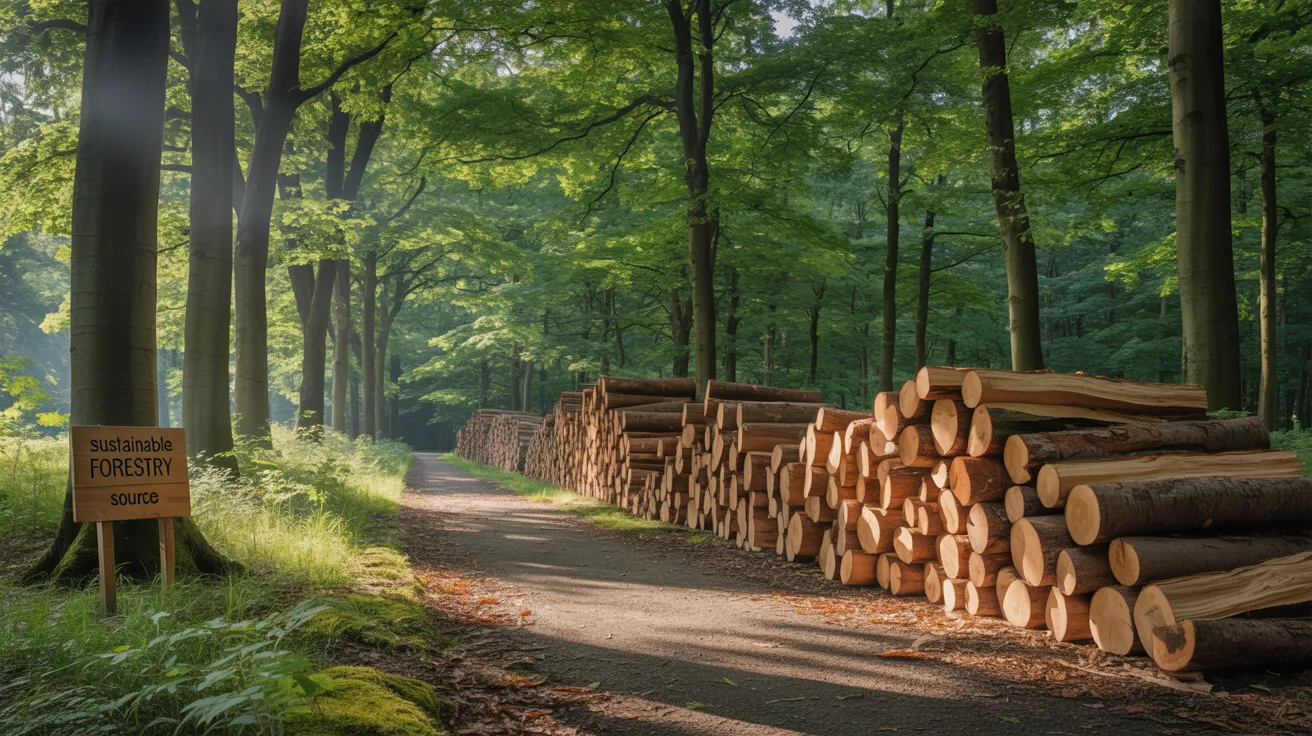
While the environmental impact of firewood is frequently ignored, selecting eco-friendly firewood can greatly reduce your carbon footprint. To attain this, focus on sustainable sourcing. Select firewood from managed forests where trees are replanted to ensure ecological balance. Search for certifications like FSC (Forest Stewardship Council) that guarantee responsible management practices. Hardwoods like oak and maple combust more efficiently and emit less smoke, boosting air quality. Stay away from wood treated with chemicals, as they emit harmful toxins during incineration. By choosing local firewood, you also reduce emissions related click here to transportation, additionally reducing your carbon footprint. Using these strategies not only contributes to environmental conservation but also ensures a greener and more efficient heating solution for your residence or business.
Questions Our Customers Ask
How Should You Store Firewood to Preserve Quality?
To maintain firewood quality, prioritize proper storage techniques and moisture management. Elevate your woodpile enabling air to flow freely around the wood. Use a tarp to protect the top, but keep the sides exposed to stop water accumulation. Keep the pile in a sunny, dry location to expedite drying. Consider using pallets to elevate the stack, preventing water infiltration. Check regularly for indications of pest infestation or mold growth.
What's the Standard Price for a Cord of Firewood?
Consider a cozy hearth as a sign of warmth and comfort, now think about firewood costs. You'll notice that the average cost of firewood per cord fluctuates significantly, usually ranging from $120 to $400. Elements influencing the price encompass the type of wood, market demand, and delivery fees. When measuring a cord, note it's a stacked volume of 128 cubic feet. Always check rates and investigate local suppliers for the best deals.
What's the Required Seasoning Time for Firewood?
You should season firewood for a minimum of 6-12 months to make sure it's properly prepared. Adequate seasoning lowers firewood moisture to under 20 percent, which improves combustion efficiency and decreases creosote buildup in chimneys. This technique delivers valuable seasoning perks, such as better starting and reduced smoke production. To achieve ideal results, place the wood in a dry area with good airflow, elevating it from the ground to enable proper air circulation.
Are Pests and Termites Drawn to Firewood Storage?
Picture firewood similar to a Trojan horse, silently inviting pests and termites into your home. It's true, firewood often draws these pesky intruders. For effective pest control, place it a minimum of 20 feet from your building, maintaining it off the ground and moisture-free. This supports termite control, as wet conditions and earth contact create perfect conditions. Carry out routine checks and address any compromised wood immediately to protect your home from these pests.
Is Transporting Firewood Across State Lines Legal?
When you're planning to move firewood across state lines, it's important to be informed about regulatory guidelines. Most states maintain specific rules to prevent the transmission of harmful organisms. State inspections are often mandatory to verify regulatory compliance. Check the guidelines of both the state you're leaving and your target state. It's crucial to check if documentation is necessary and to comply with guidelines to sidestep violations.
Conclusion
In choosing firewood, evaluate its environmental impact and efficiency. For instance, picture a cozy home depending on seasoned oak for its powerful heat, while a thriving restaurant uses kiln-dried birch to keep a stable flame in its oven. These cases show the value of selecting the right firewood for your requirements. Favor hardwoods for long-lasting heat and softwoods for kindling. Be sure your firewood is sustainably sourced to preserve our forests and lower your carbon footprint.